
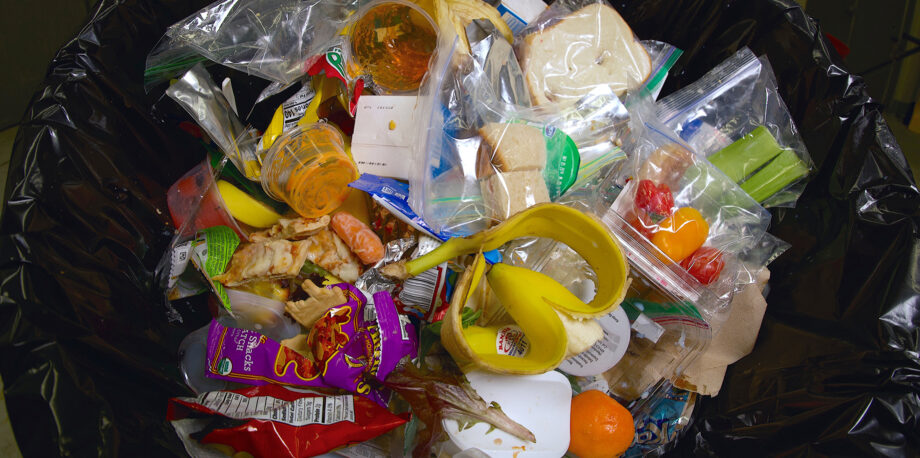
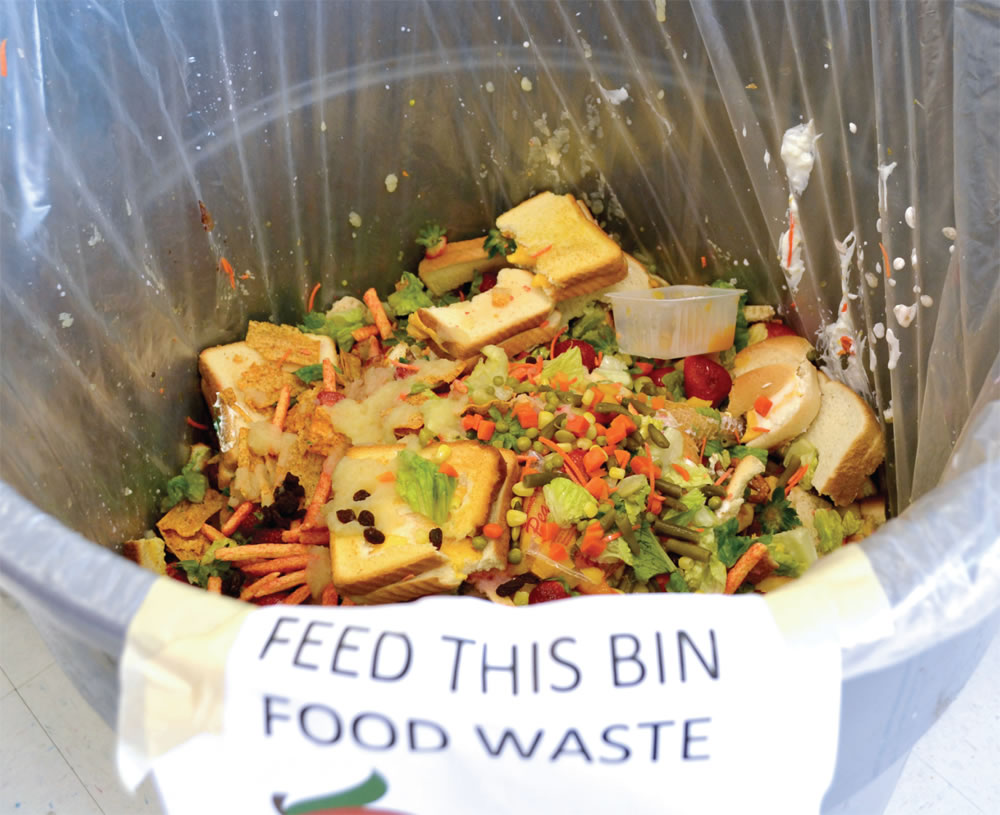
When people think of food waste, they usually think about restaurants, food prepared or stored at home, and leftovers that’ll eventually go uneaten and thrown away. Food waste can occur anywhere and even impact schools. If you ever have a chance, at the end of lunch or the end of the day and look at the trash cans around the cafeteria. How much food do you see there? How much of it goes eaten? How much of it goes uneaten?

Why is food wasted?
Food is wasted due to the quality of the food (that may be extremely questionable at times) that is served in school. Another reason that food is wasted is due to the requirement that students have to get a fruit or vegetable as part of their meal.
The impact:
Uneaten food goes to waste and students are taught it is acceptable to waste food. A lot of money and resources that are used to create school food go to waste as a result and impact the quality and money used to create cafeteria food.
What can we do?
Here is a list of things that we can do to reduce food waste:
-Compost uneaten food
-Food that is untouched (ie fruits and milk cartons as long as they’re preserved properly) can be washed and saved for tomorrow to give out to students who may want a snack
-Any leftover food (i.e. cafeteria food) that is unopened can be sent to shelters where people can consume the food due to scarcity
-Post signs near food: Take only what you will eat/drink

 Plugged In